
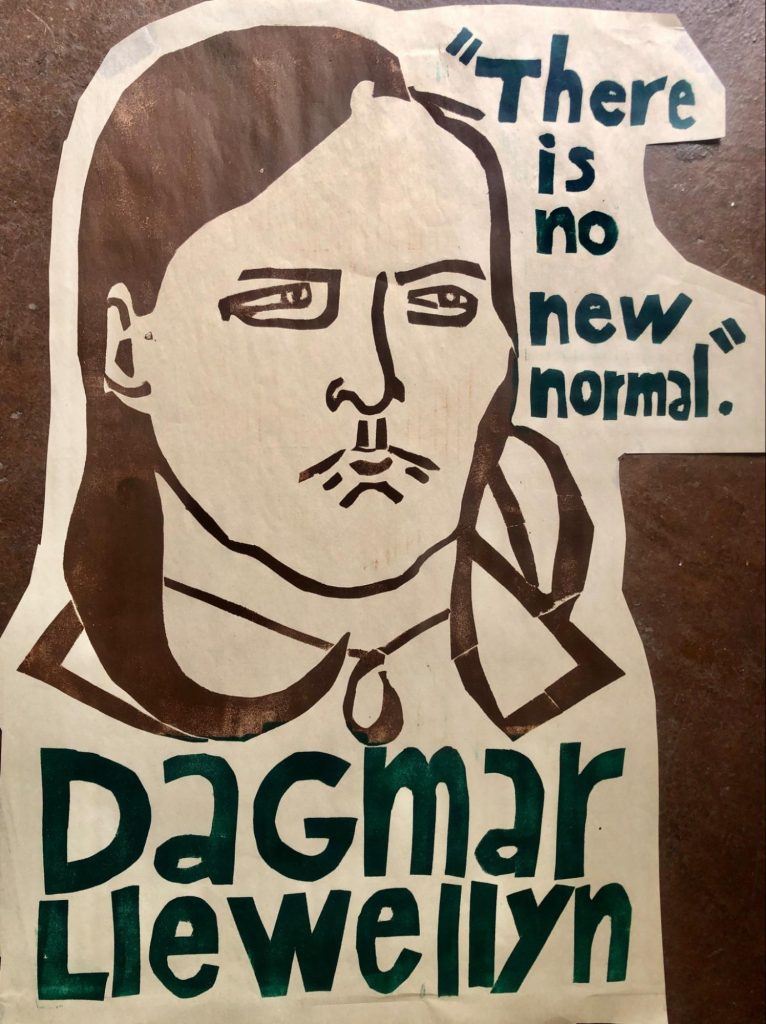
Dagmar Llewellyn leads the Planning Group at the U.S. Bureau of Reclamation’s Albuquerque office, where she and her team use science and public engagement to plan for the impacts of climate change on our water supply, to help us continue to thrive in this arid landscape. In an interview with Laura Paskus, she said: “There is no new normal. We talk about the flow of the Rio Grande relative to the ‘average’, or to the ‘normal’, but the challenge of climate change is that we’re losing the whole concept of normal, and now must learn to live in a climate, and with a hydrology, that is constantly changing.”
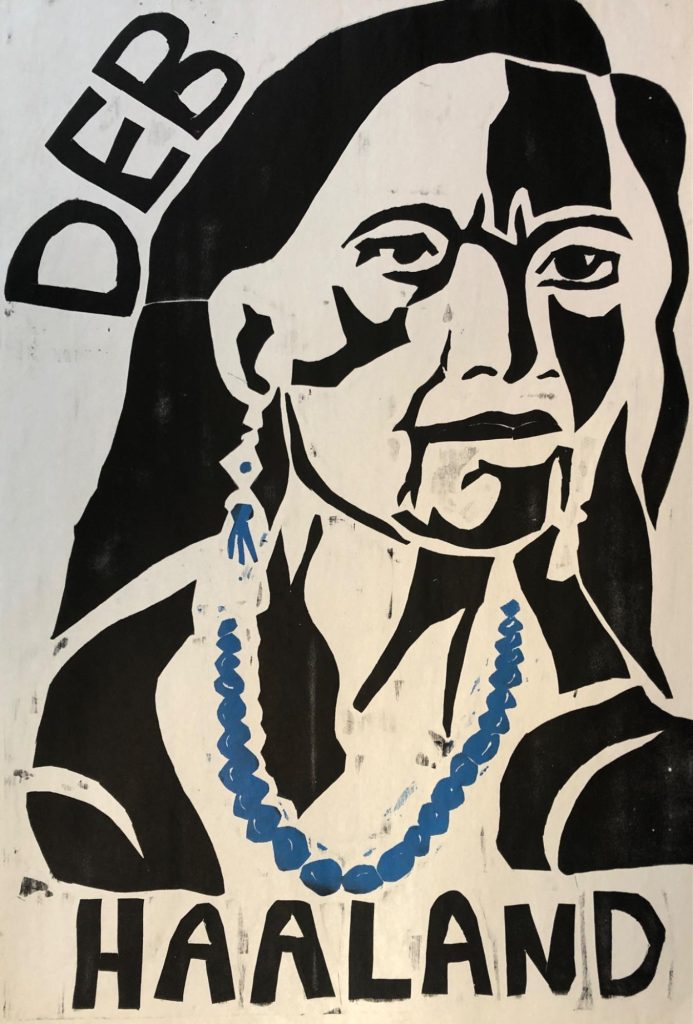
Deb Haaland is the first indigenous Cabinet Secretary in US history (it’s about time!). A woman from the Laguna Pueblo in New Mexico, she is a single mother, an environmental guardian who reminds us it is sacred, an advocate for the missing and murdered Native Americans, and a UNM Law School graduate. “I Believe Native Americans, women, and all of us deserve representation, and that we all need to fight with everything we have to make it so.” ~ Deb Haaland
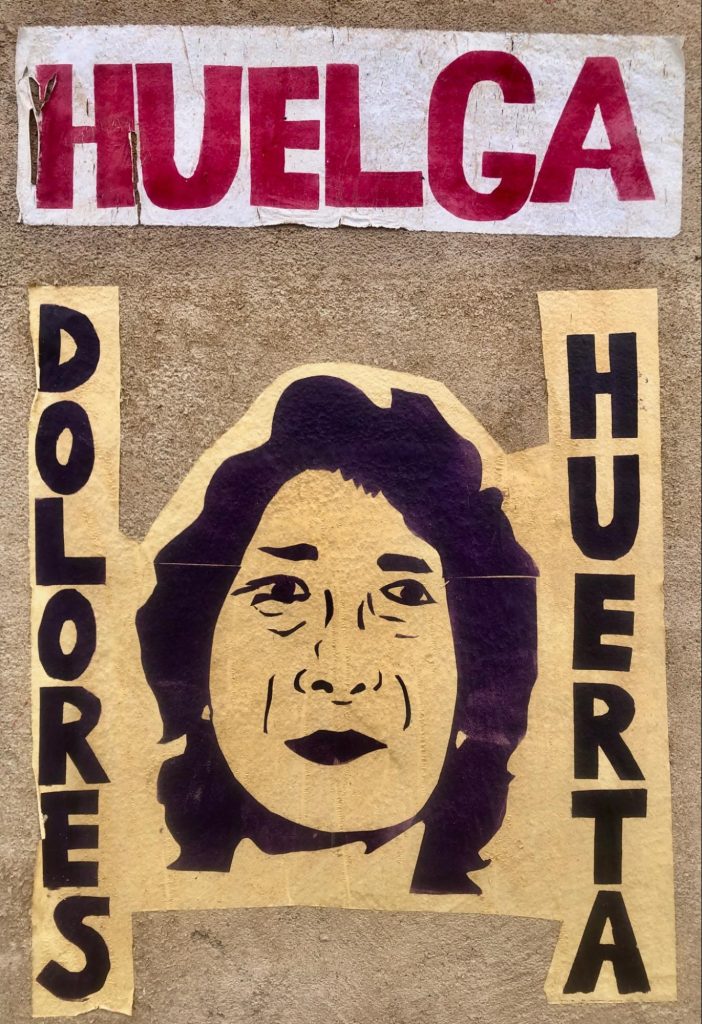
Dolores Huerta, civil rights activist born 1930 in Dawson, New Mexico. Huerta fought for equal rights for farm workers, immigrants, and women. A recent quote of hers resonated with me deeply, especially in the current environment: “I personally believe that we should get rid of the word race,” Huerta said. “We only have one human race, so when we refer to other people by a ‘race,’ it’s really a misnomer because we only have one human race, it’s called Homo sapiens.”
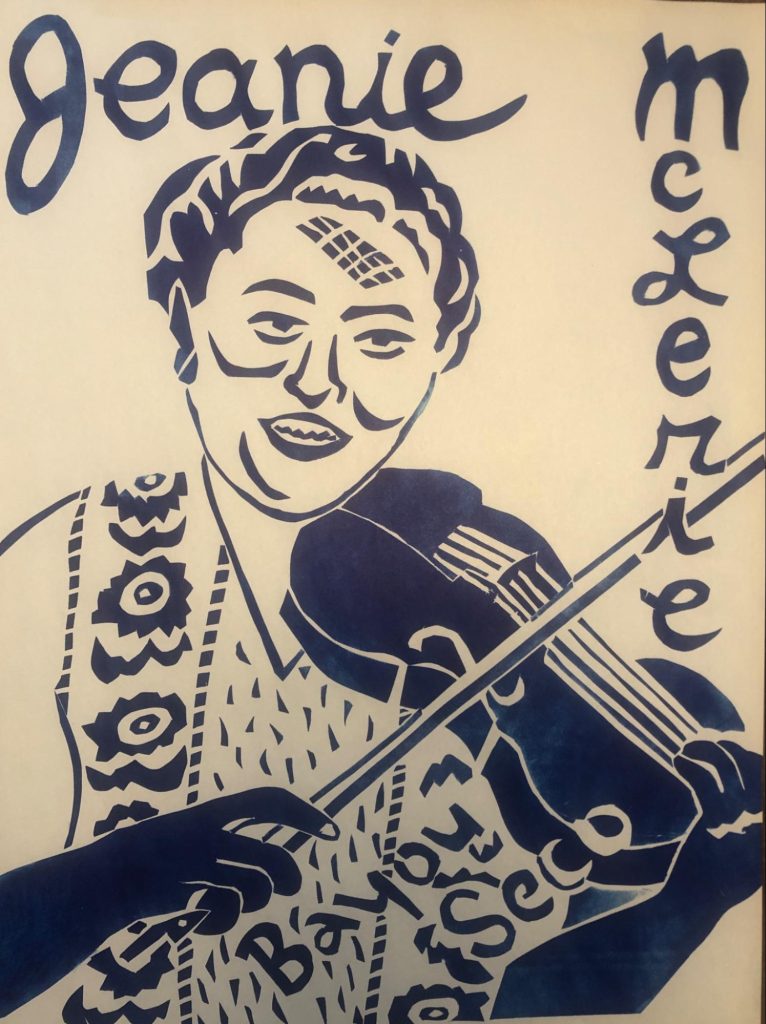
Jeanie McLerie from Bayou Seco: Many New Mexicans and beyond have enjoyed her music. Through a combination of instruments (guitar, banjo, fiddle, accordion, and mandolin) she and Ken Keppler got us on our feet jumpin’ to tunes from Louisiana Cajun, Hispanic, and Cowboy Folk cultures. Bayou Seco received the New Mexico Governor’s Award for Excellence in the Arts in 2017. From museums to farmers’ markets, they continued to play at places we loved to go! Jeanie passed in July of 2024.
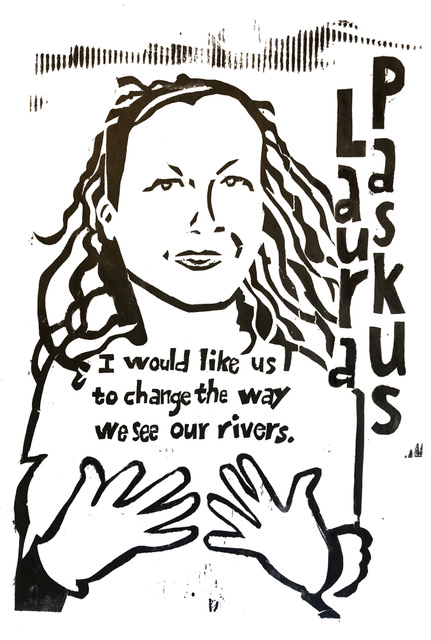
Laura Paskus is the environment reporter for New Mexico PBS, where she produces the show, “Our Land: New Mexico’s Environmental Past, Present and Future.” Paskus has been writing about the Rio Grande since 2002, when she began her journalism career at High Country News. She has freelanced and worked for local, regional, and national outlets as a writer, radio producer, and television producer. Her book At the Precipice: New Mexico’s Changing Climate was published in September 2020 by the University of New Mexico Press.
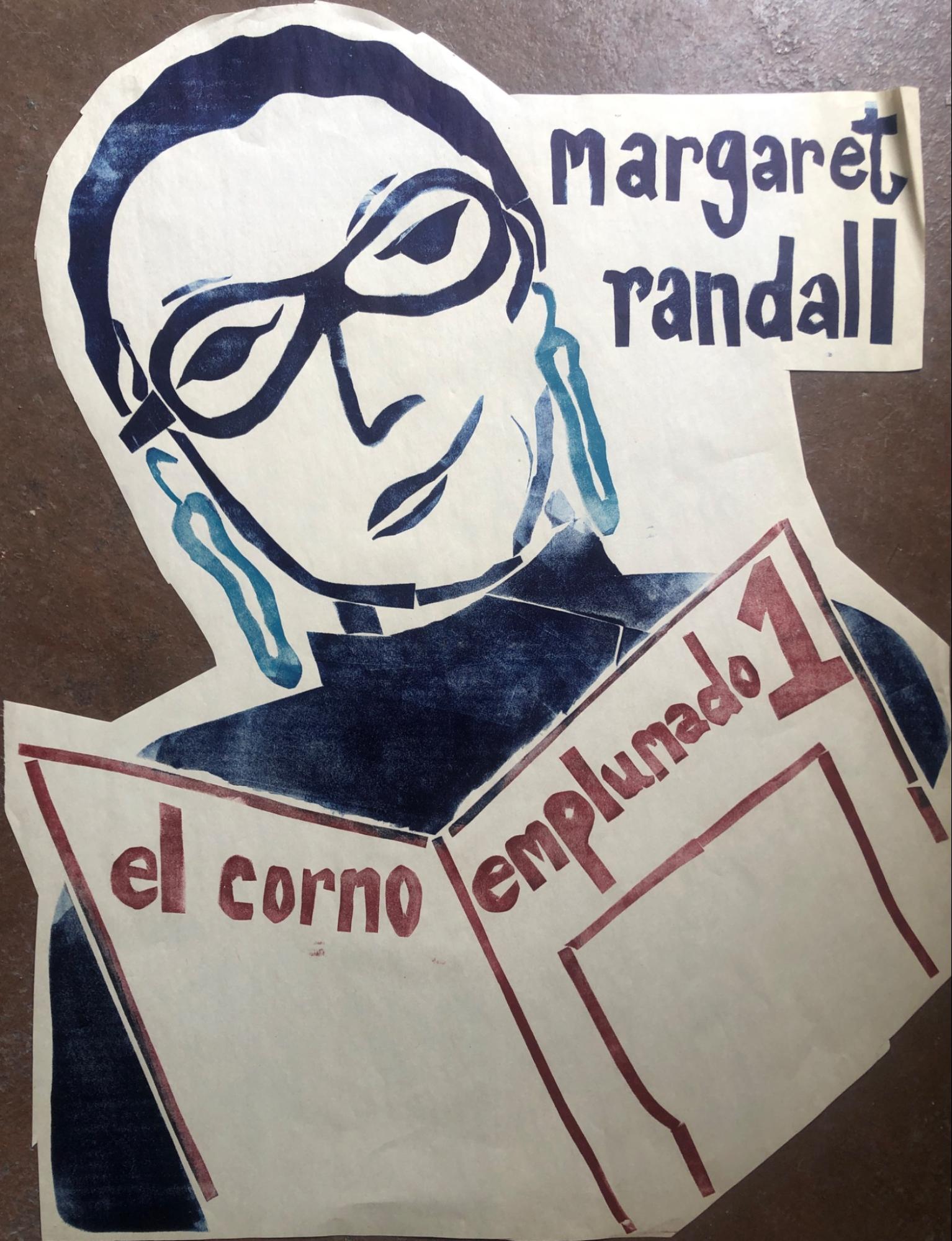
Margaret Randall is a feminist poet, writer, photographer, and social activist with over 150 books published. Es poeta, escritora, fotógrafa, militante feminista y activista social. Es autora de más de 150 libros de poesía, ensayo y historia oral. Born in New York City, she lived for many years in New Mexico, Spain, Mexico, Cuba, and Nicaragua, and spent time in North Vietnam during the last months of the U.S. war in that country. “As writers, I believe we must bear witness. Bear witness in our work to life as we know it, this beautiful life they are doing their best to destroy, erase, and make meaningless.”
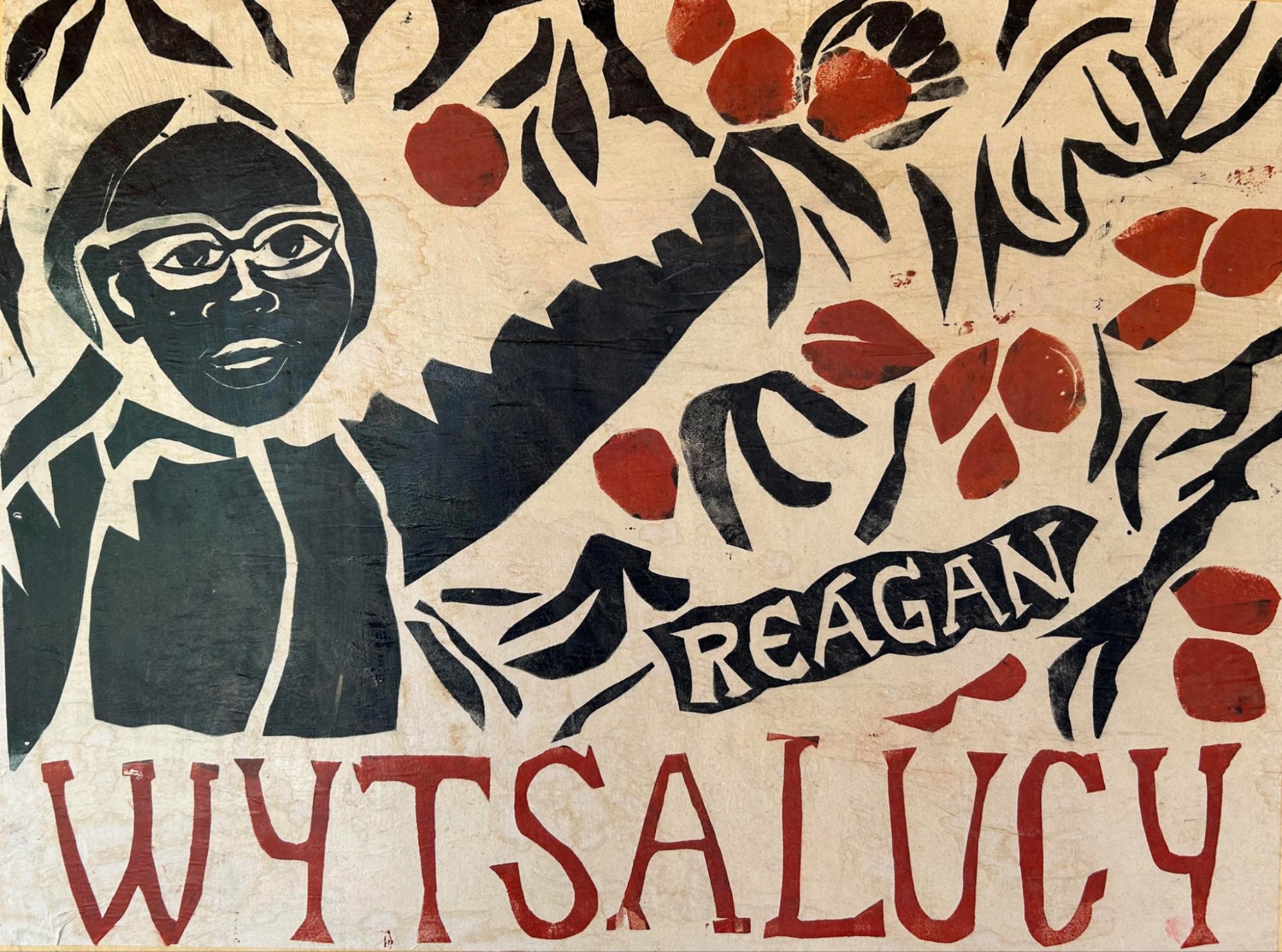
Reagan Wytsalucy is a Navajo horticulturist. She is actively working to reestablish original food crops, counter food insecurity, increase resiliency, and perpetuate traditional cultural knowledge. The peach, or “Diné didzétsoh” in Navajo, has been an important food source for the Navajo and many Puebloan tribes of the Southwest for several hundred years. During the 1860’s the US Army forced tens of thousands of Indigenous people from the land and destroyed many of their orchards. Working with tribal elders, Wytsalucy is specifically looking at peaches as the first food crop to identify and bring back to Four Corners communities.
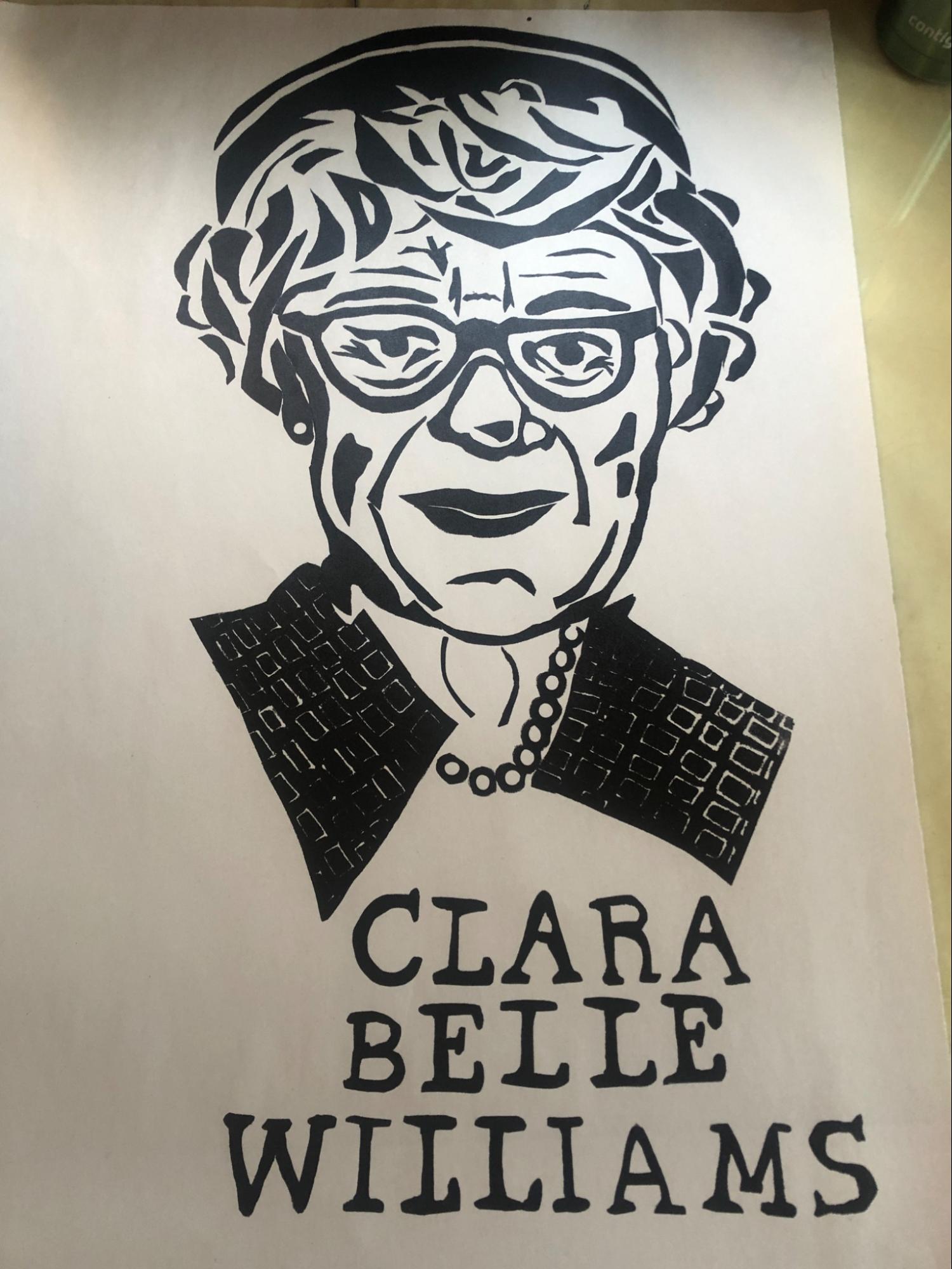
Clara Belle Williams, the daughter of sharecroppers in Texas and a homesteader in NM, was the first African American graduate of NMSU during segregation times. She took classes in the hallway listening and taking notes at the door. Belle earned a diploma but was not permitted to walk at her graduation. For over 30 years, she taught children during the day and their parents at night. Belle founded the Williams clinic in Chicago with her three sons, all MDs. A lifelong learner, she died at the age of 108. The NMSU English Department renamed a building in her honor.
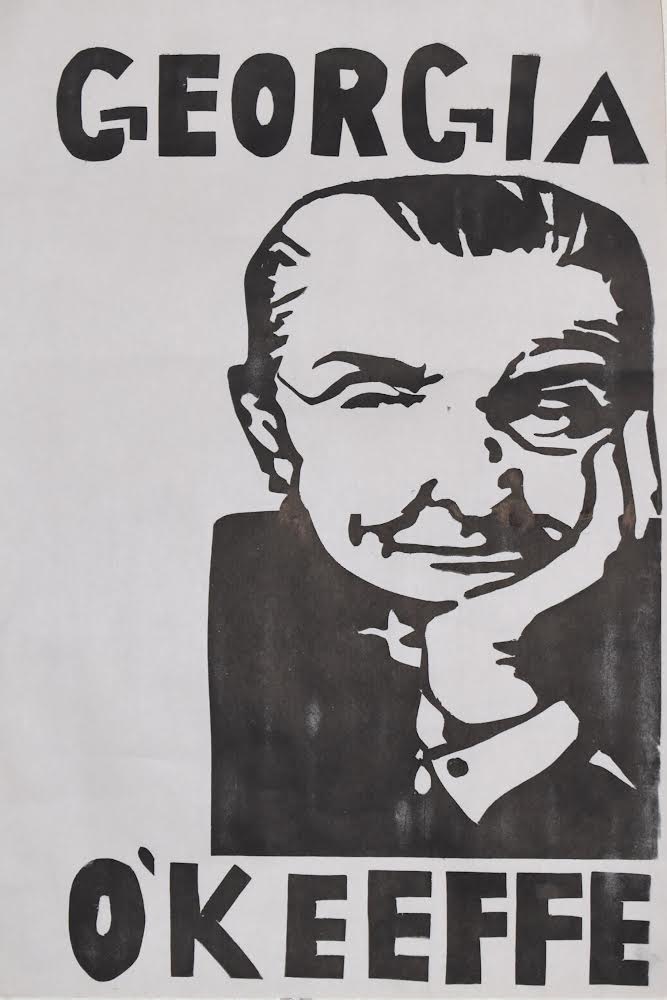
Georgia O’Keeffe is so much more than the paintings that she is known for. She is a woman of herstory standing fully in her power. In a history of photography class at UNM, I’ve learned that her husband Alfred Stieglitz photographed every square inch of her body in the fashion that photography normally objectified women with the lens. However, Stieglitz did not direct the narrative of the lens; in fact, O’Keeffe commanded the imagery, taking it from explicit objectification to empowered and visceral artistic expression.
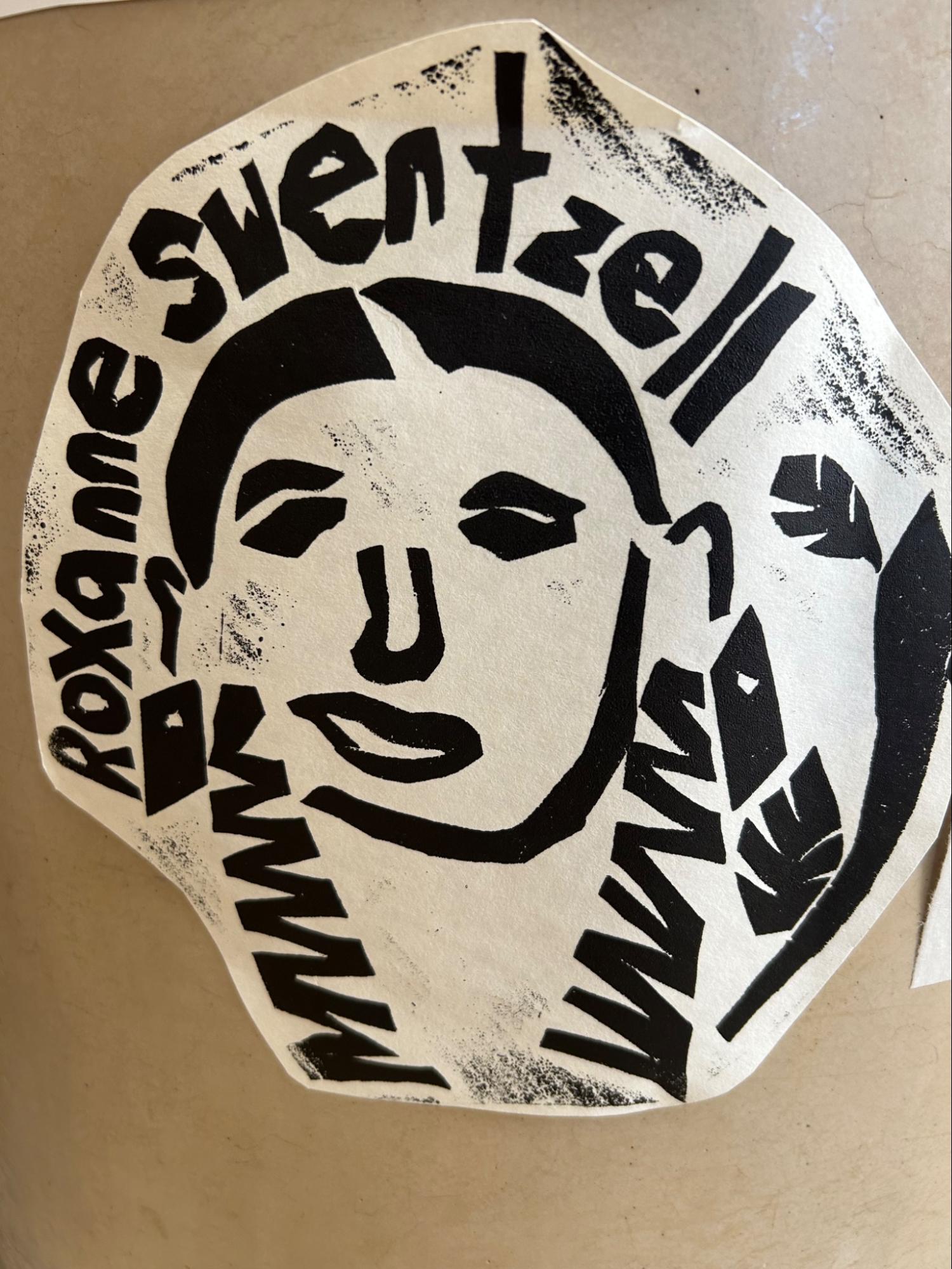
Roxanne Swentzell is a highly recognized Santa Clara Pueblo Tewa artist and sculptor and food justice activist. She is an educator about indigenous culture and has written a Pueblo Food cookbook. She currently lives and works at the Flowering Tree Permaculture Institute.
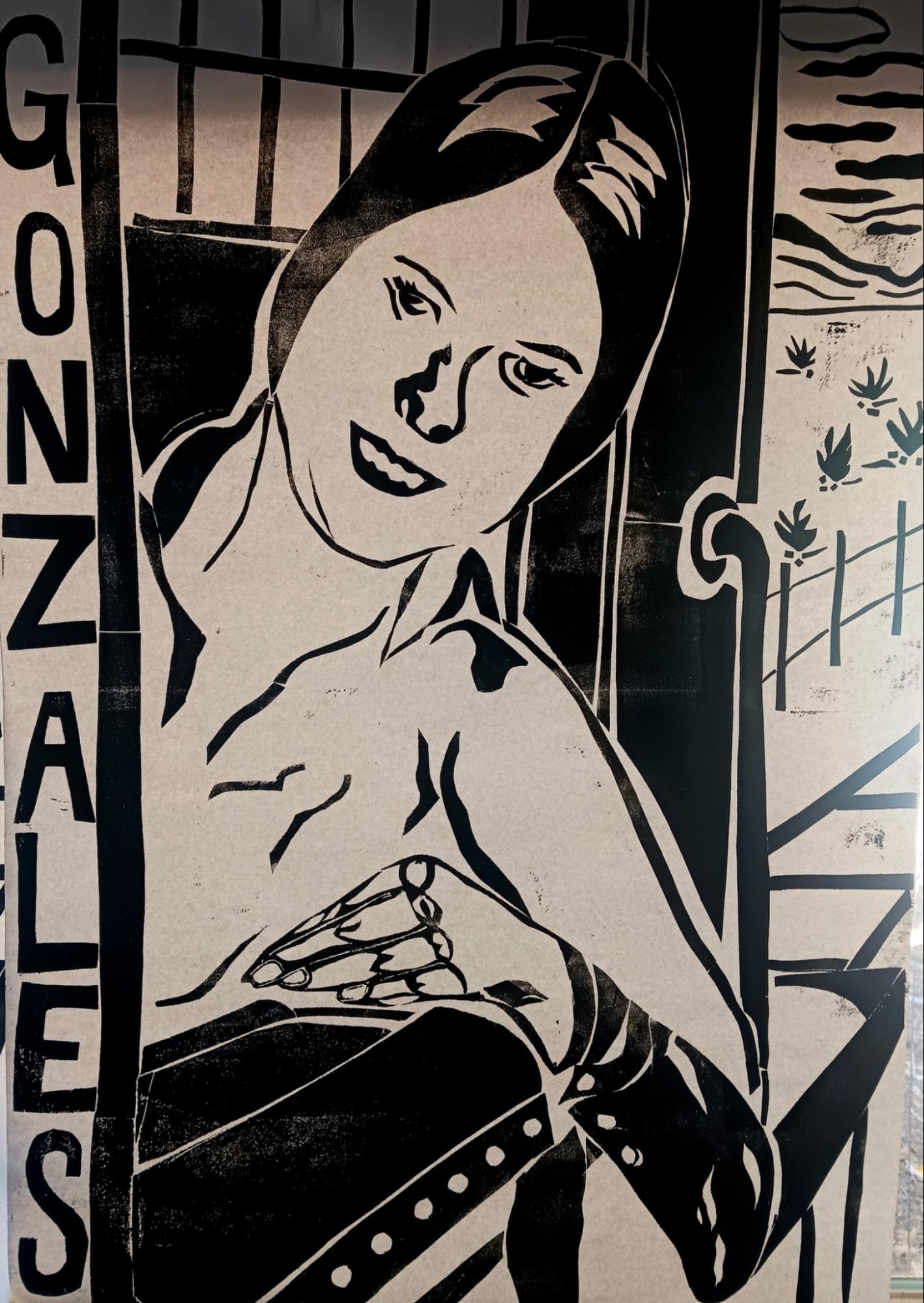
In 1973, 19-year-old Christene Gonzales’ mother planted the seed of going to work for the railroad as a locomotive engineer. Gonzales thought, “What the heck!” She applied, interviewed and was hired. Gonzales was about to become the first female locomotive engineer for the Santa Fe Railway.
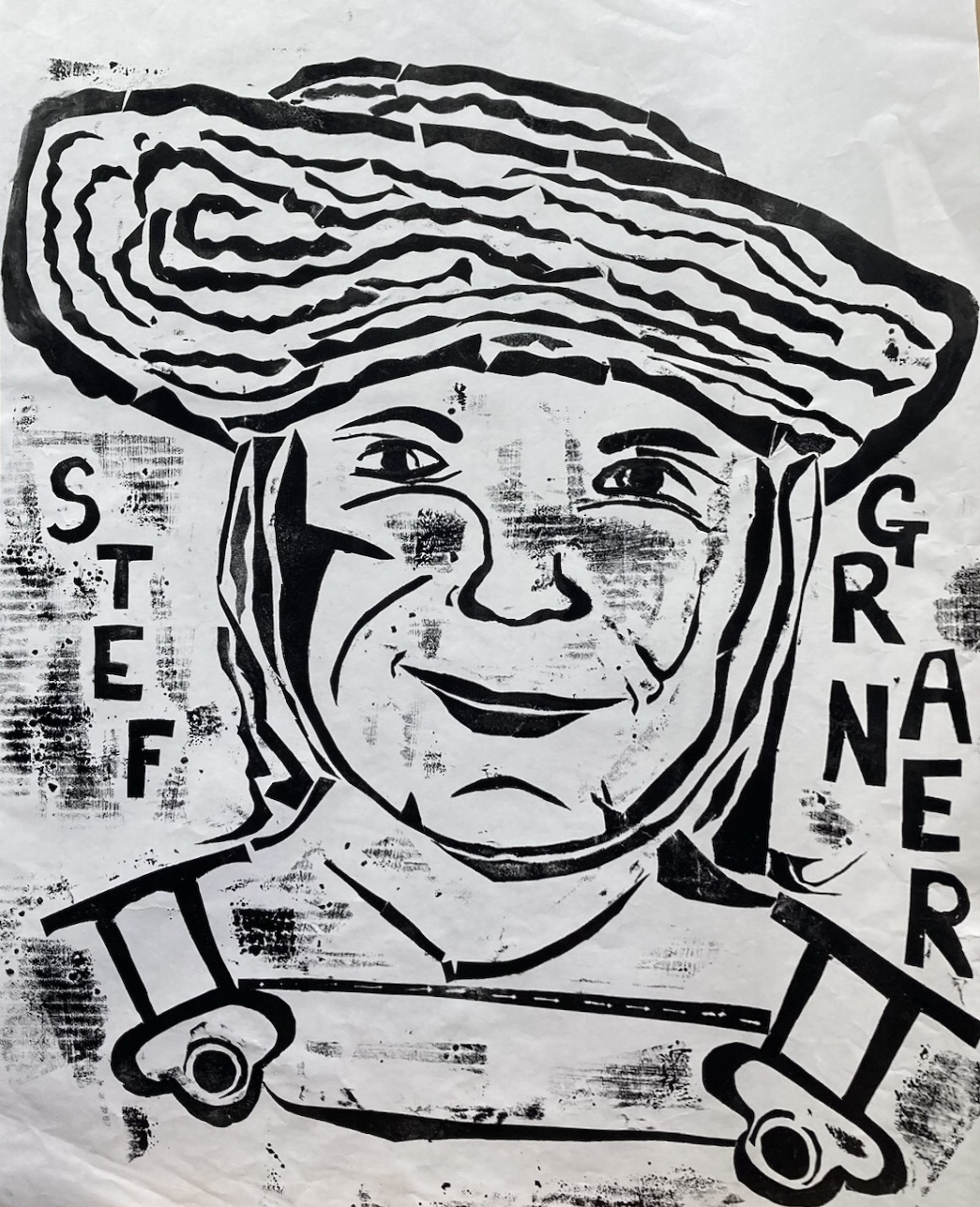
Stef Graner, Mother/ Teacher/ Farmer/ Musician
Celestial Mountain Farm in Albuquerque, NM, is a neurodivergent farmers’ coop that is supported by The Mountain Dojo. They practice regenerative farming to continue to grow their farm, including both its plants and its people.
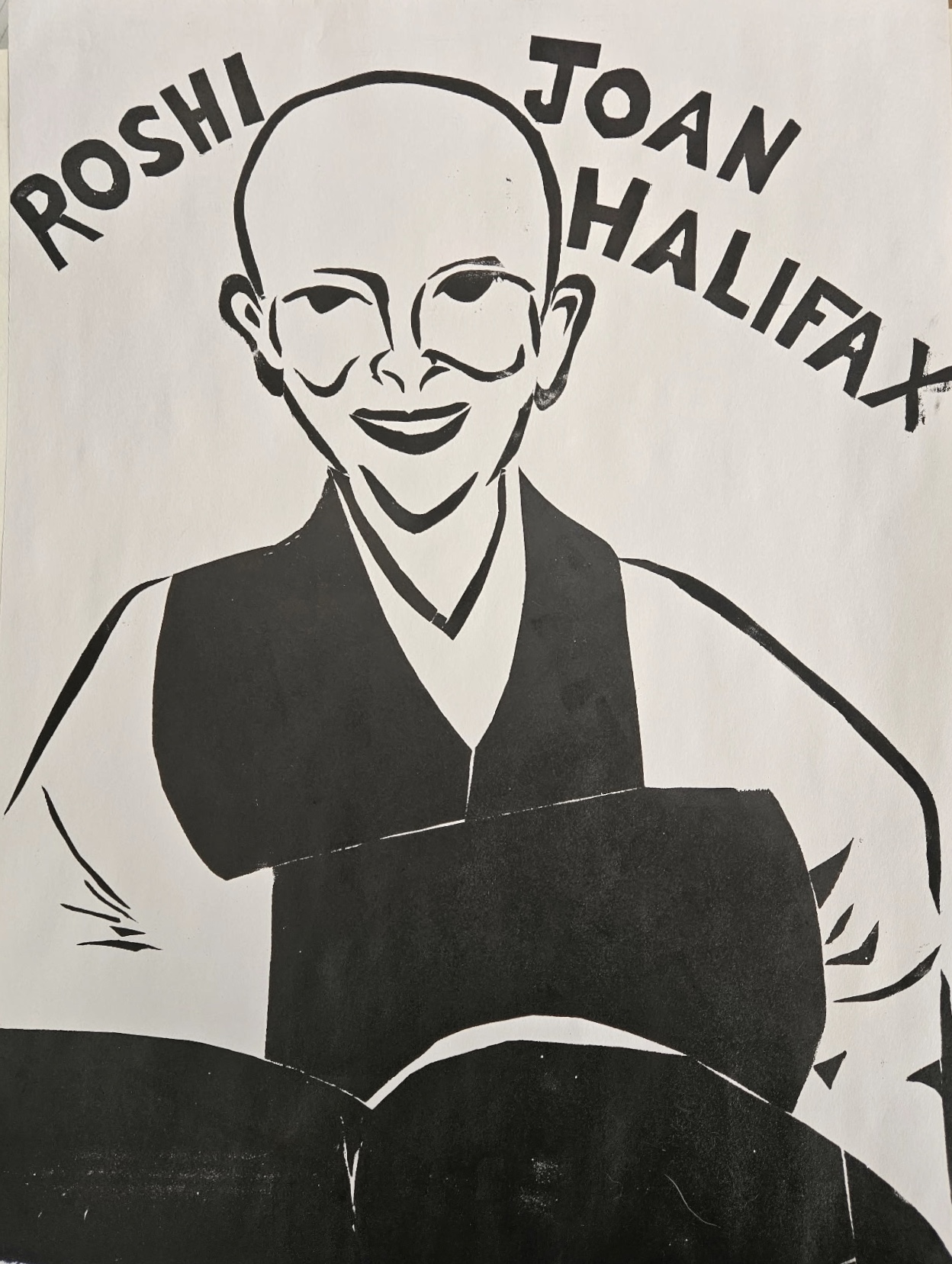
Roshi Joan Halifax is a renowned Zen teacher, anthropologist, writer, and activist. Founder and Abbot of Upaya Zen Center outside of Santa Fe, she integrates Buddhist studies, meditation, service, dharma art, and environmental action into her teachings. With a focus on compassion, suffering, and human interconnectedness, she inspires audiences worldwide, blending engaged Buddhism with contemplative practice. Influenced by her work as an anthropologist, focus on end-of-life care, and social activist, she advocates for transforming suffering into wisdom and compassion.
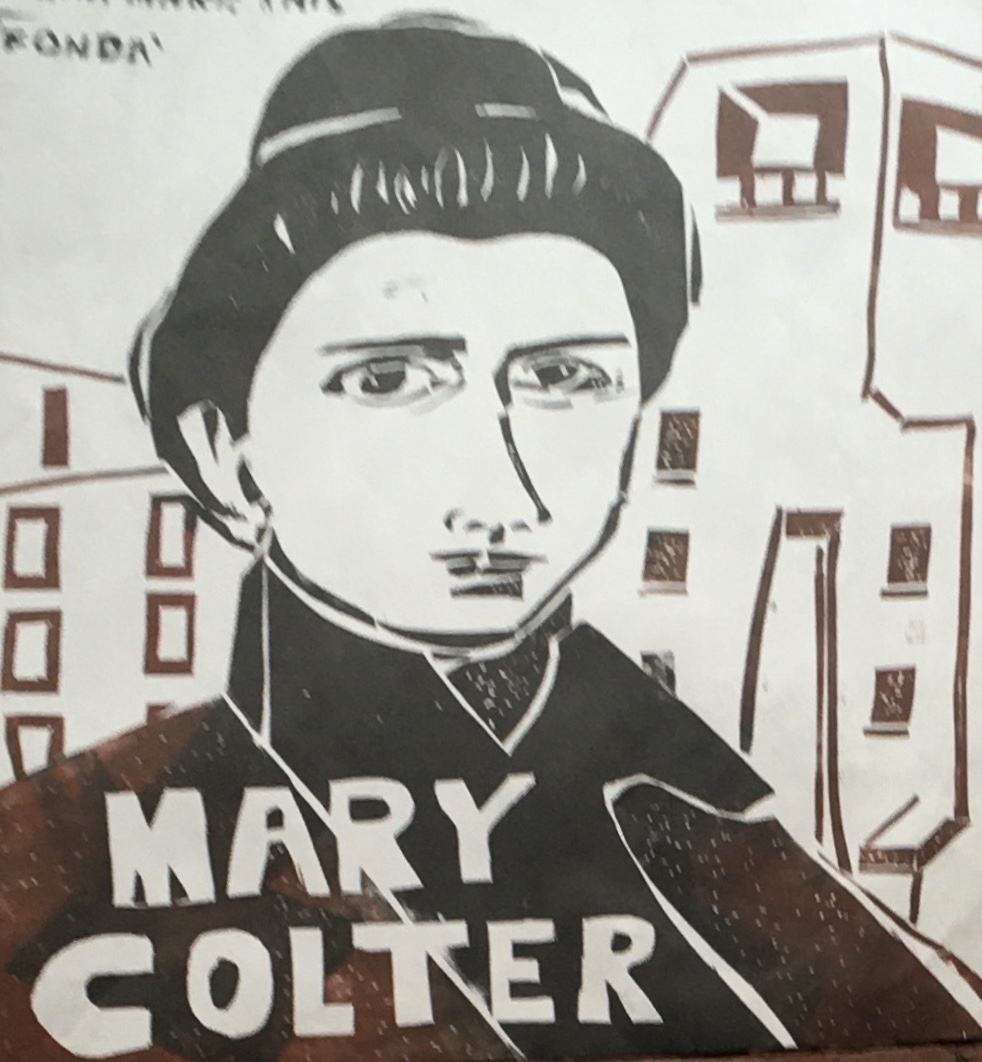
Mary Colter (April 4, 1869-January 8, 1958)
‘’She was raised in the heartland of America at a time when ‘going West’ was the place to go.‘’ —Berke
Mary Colter, architect, created organic, free- form buildings utilizing native craft and design motifs fused into a body of work informed by Spanish Colonial and Mission revival architecture. Her forward thinking design expresses a distinctly unique heritage found only in the American Southwest. Her landmark buildings include La Posada Hotel in Winslow, AZ, the now demolished Alvarado Hotel in Albuquerque, NM and interior design motifs found in the La Fonda Hotel in Santa Fe. Mary Colter spent a lifetime advocating for her aesthetic vision in a largely male-dominated field. Her strong will and talent can bring joy and the sense of ‘’I can make that’’ to women designers.
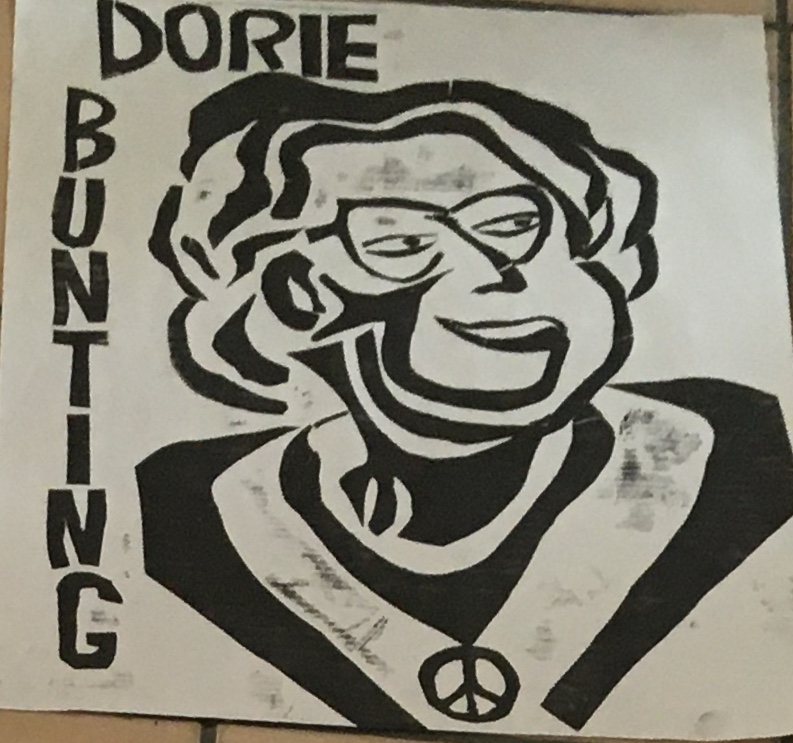
Dorelen (Dorie) Bunting (1922-2023)
Dorie’s life of joyful and humble activism in peace and justice movements is legendary. In 1987 Dorie received War Resistance League’s 26th Annual Peace Award. The award’s inscription reads: “For more than three decades she has worked in her community both for peace and for social justice. In the state where the first nuclear device was tested, she has tested the human conscience in the struggle for a planet enduring in peace, not wasted by atomic fires.” During the 30+ years that followed, Dorie tirelessly continued her work. One of her many enduring gifts to New Mexico was co-founding The Peace And Justice Center in Albuquerque. Thank you for all that you did!
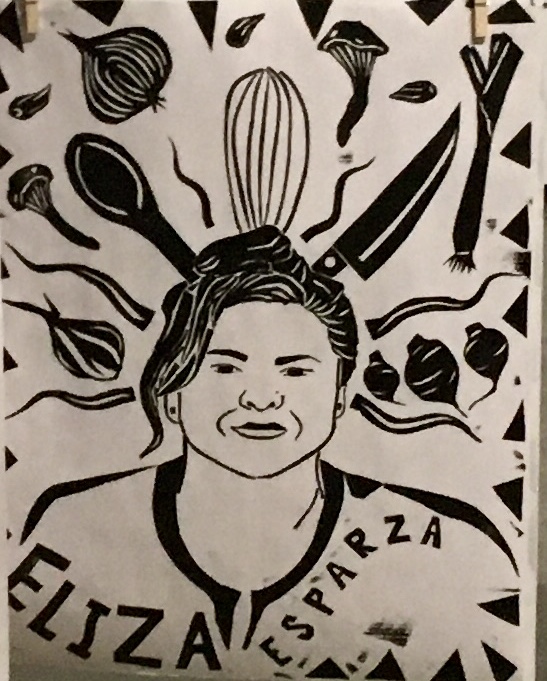
Albuquerque chef and food activist Eliza Esparza has become so good at her craft that she was recently named Best Chef at Edible New Mexico’s 2024 Local Hero Awards. Through her years working the “front of the house,” Eva grew to admire the chefs in the kitchen. “Seeing all those examples of grace under pressure and people handling pressure so calmly, it kind of led me to adopt that method and energy as a chef. I love feeding people, and touching their souls one dish at a time.”
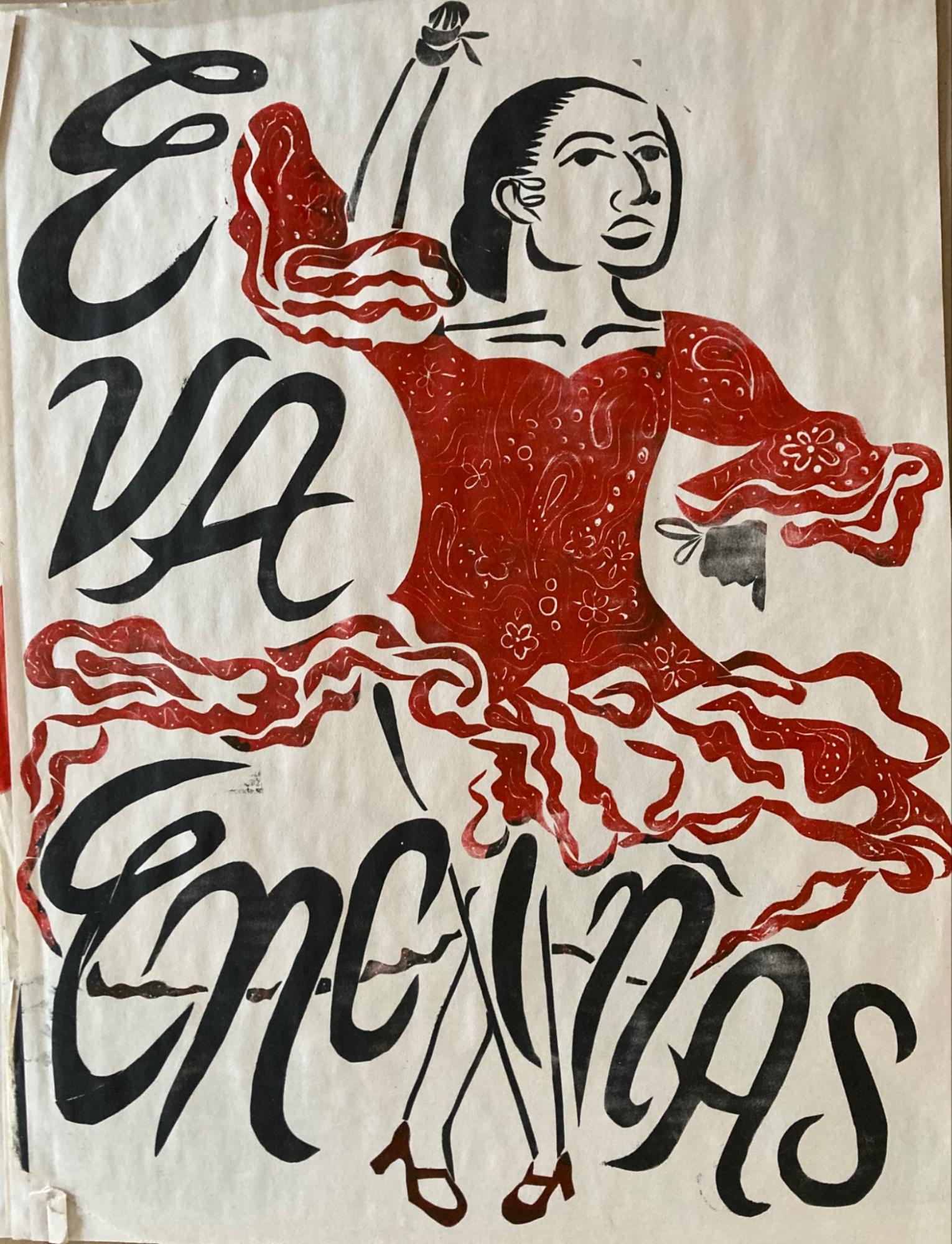
Eva Encinias is the founding director of the National Institute of Flamenco, in Albuquerque, NM. She honors and preserves the long heritage of this art form. Eva is an American flamenco dancer, choreographer, and teacher.
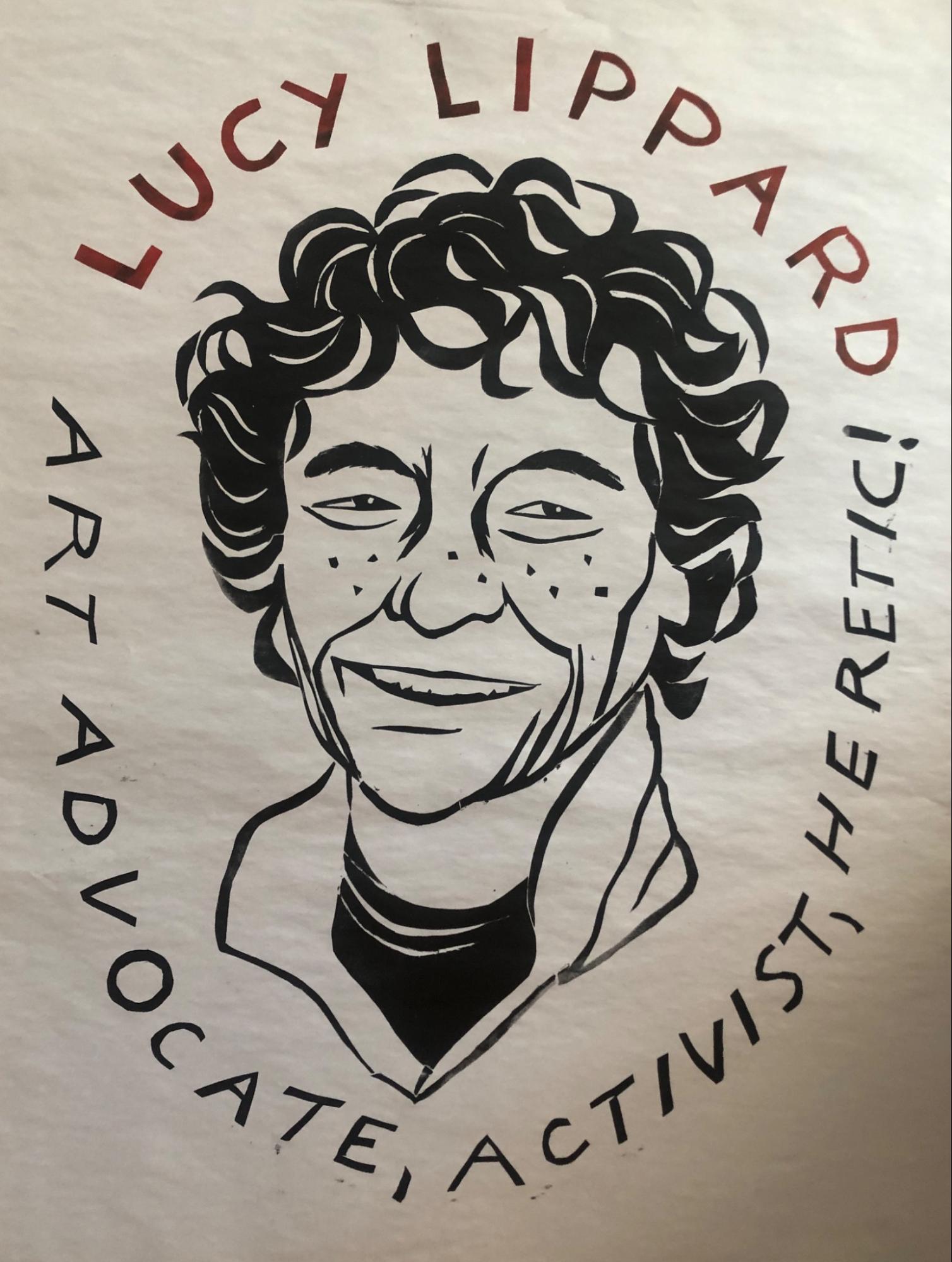
Lucy Lippard is a well-known art writer, activist, curator, critic and a longtime resident of Galisteo, NM. She has had an important influence in the arts for over five decades. Her writings have supported the cutting edge in contemporary art, and she has been an articulate and outspoken voice for feminists, conceptualists, environmentalists, and the underrepresented in general.
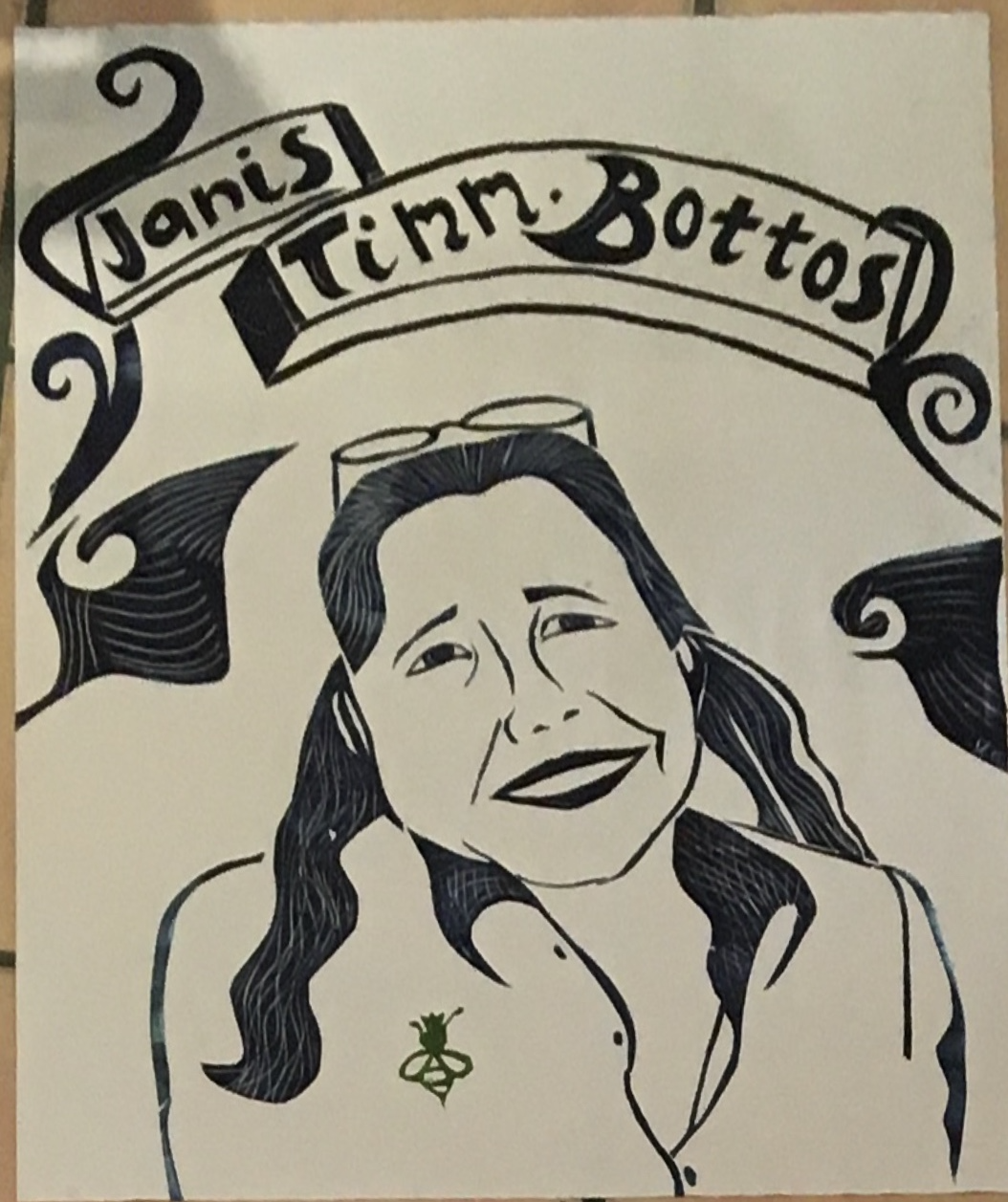
Janis Timm-Bottos co-founded the OFFCenter Community Arts Project in Albuquerque, one of the first Art Hives (2001). These inclusive spaces offer free access to art-making materials and encourage creativity, self-expression, and community building. Art Hives aim to foster understanding, strengthen relationships, and create meaningful connections through the power of art. Stop by OffCenter, one of at least 6 Art Hives started by Janis, to take an art class, create something during studio hours and fulfill her dream of participating in our community!
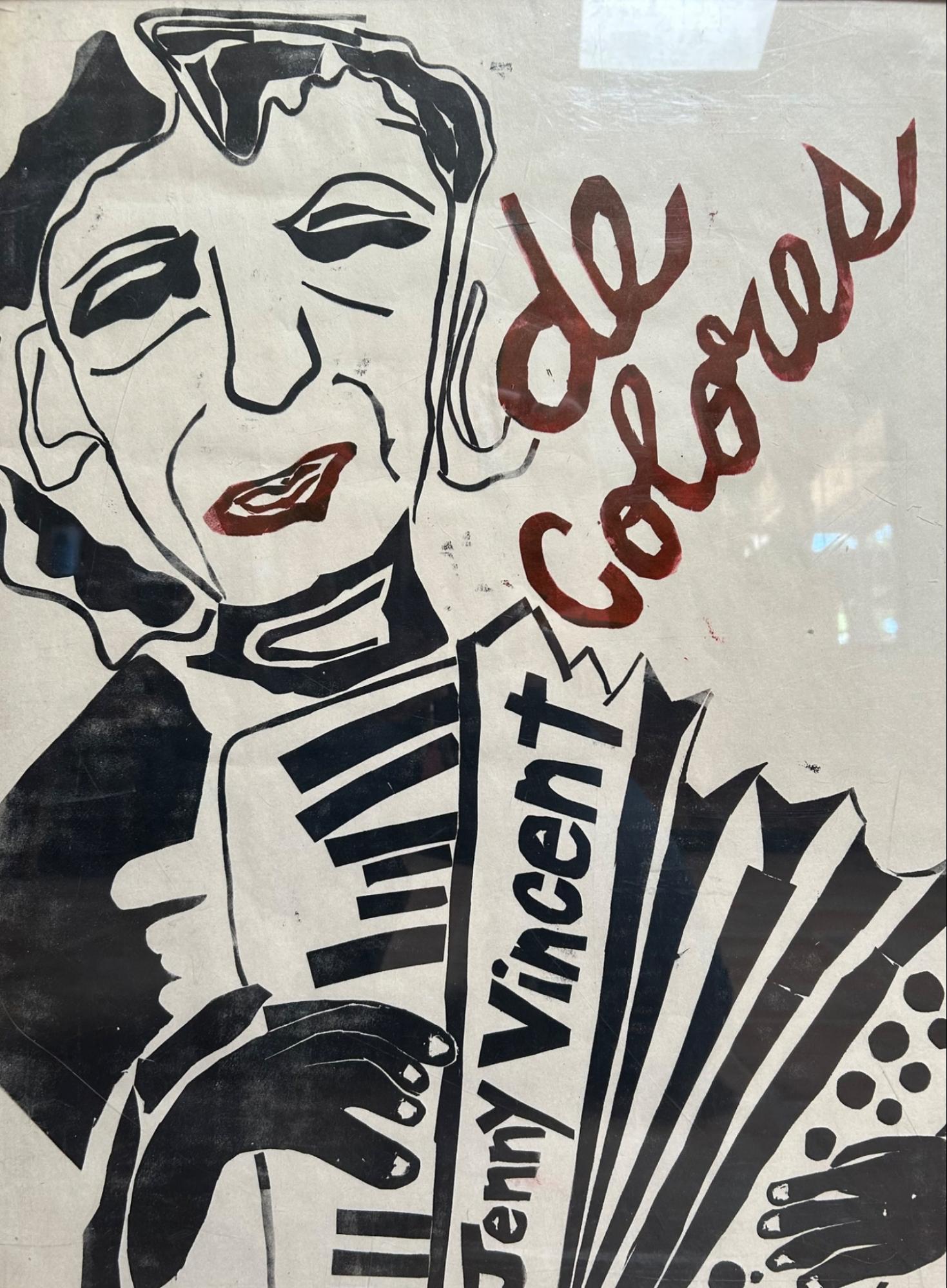
Jenny Vincent (1913-2016) was a folk singer, songwriter, and activist. She championed Spanish language folk songs in the Taos, NM schools in the years when speaking Spanish in the classroom was not allowed. She sang at national events and added a social justice verse to the Mexican folk song De Colores. She was an early supporter of the Salt of the Earth strike and also hosted meetings at her San Cristobal Ranch for the Farmer’s Union and for Reies Tijerina.
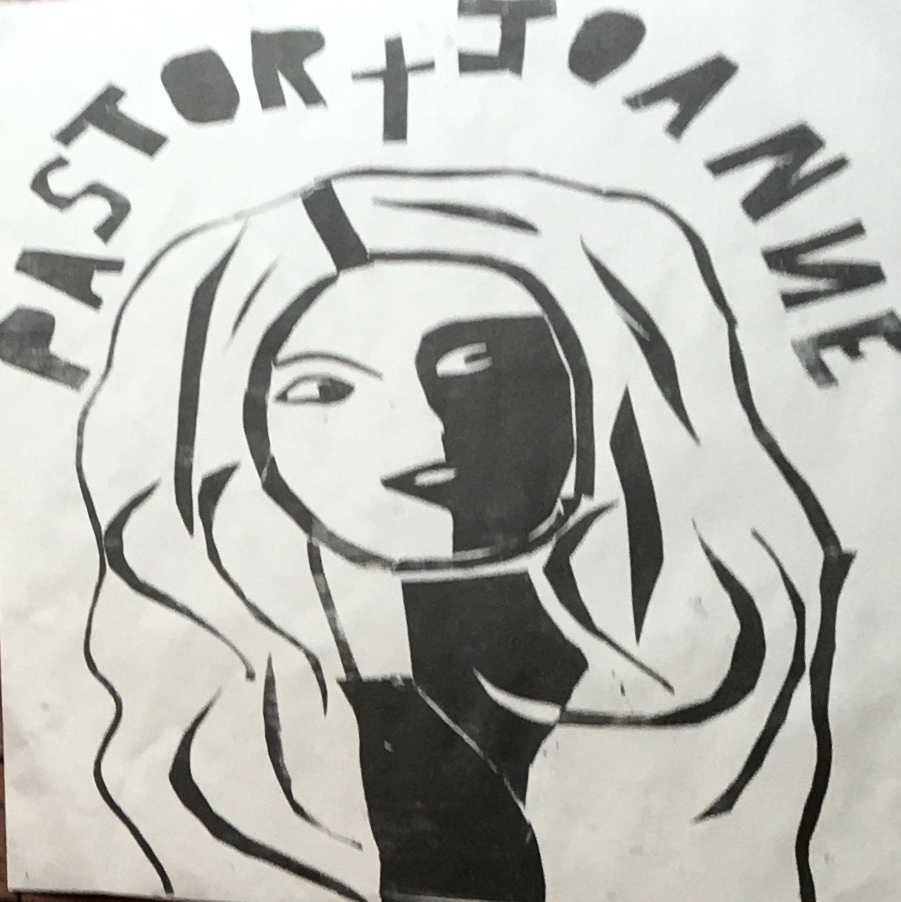
Eight years ago, with only twenty-five dollars to her name, Pastor Joanne Landry opened the Compassion Services Center homeless shelter at the corner of Trumbull and Mesilla Streets in Albuquerque, NM. A recovered addict herself, Pastor Joanne understands addiction and has helped scores of people find shelter, food, sobriety and, in many cases, permanent homes. Her approach : “We see the vitality, the treasure in every human being, that they are worth investment. We really try to treat everybody the best we can, as if it was Jesus himself who walked into the building.”
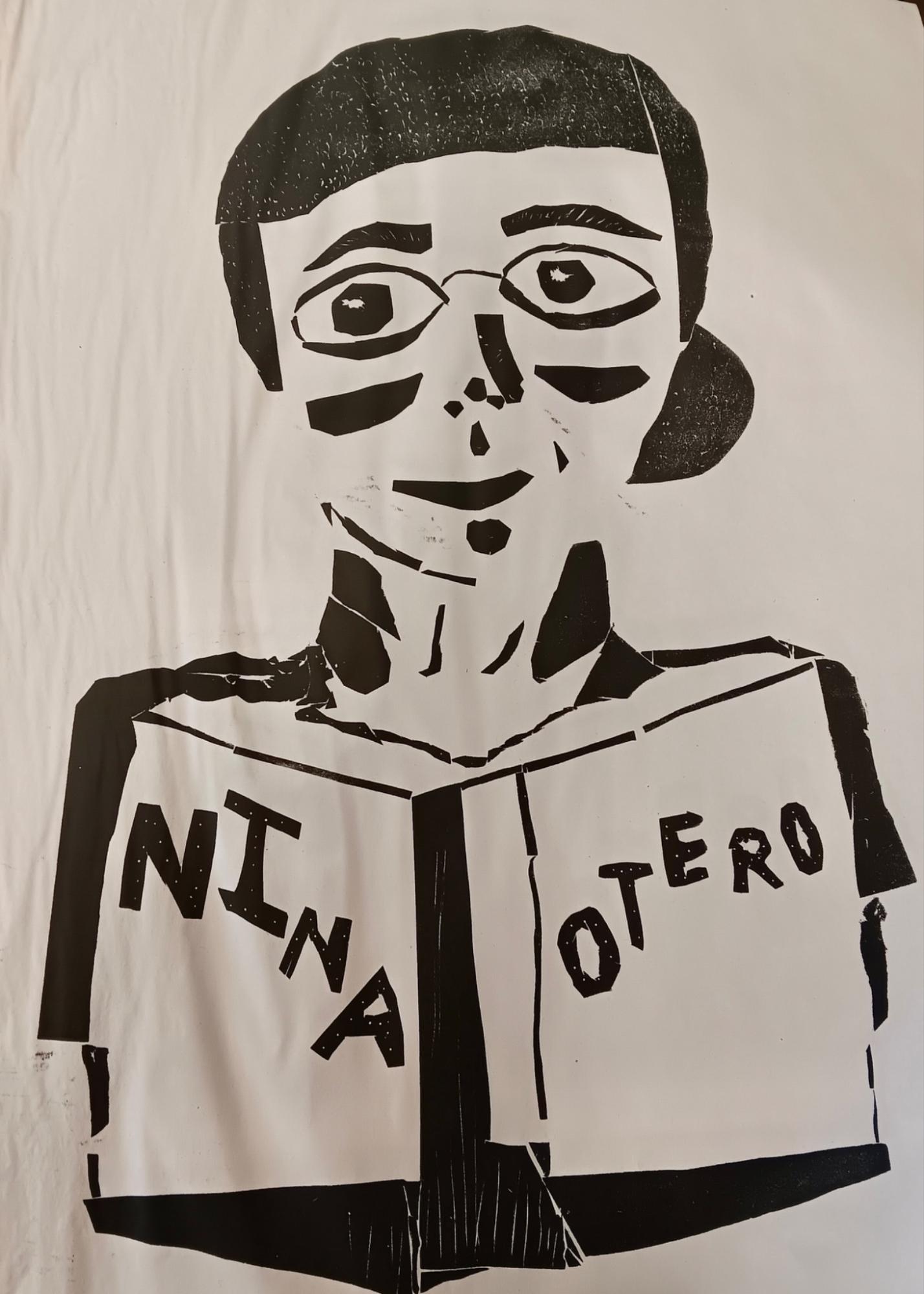
Adelina (Nina) Otero-Warren is an important woman who lived in and contributed to New Mexico. Nina was a suffragist who shared her desire to vote (in Spanish and English) with many women. Later in life, she worked with schools to uplift student communities by centering education around their traditions, languages, and art.
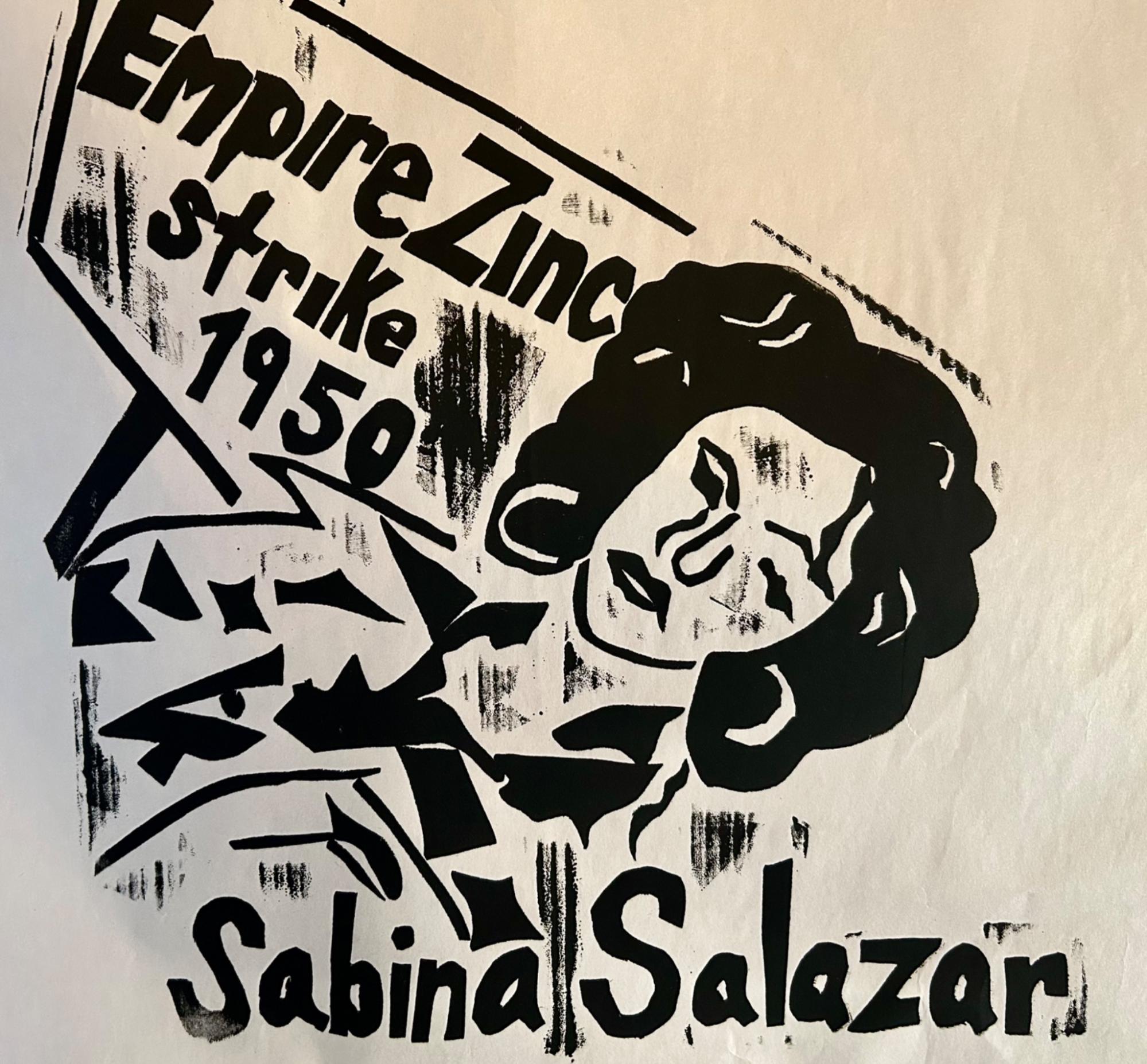
Sabina Salazar was a leader in the 1950 Hanover, NM Empire Zinc strike. The strike was an intense fight demanding an end to discriminatory working conditions and the dual wage system of two-tiered pay, different for Mexican and Mexican American workers and their white coworkers. The strike gained national attention and support, after 8 months, an injunction prevented the Local 890 miners from picketing. The women rose up to defend the picket line and the men took on household chores. Salazar was one of the many arrested during the 15-month strike. Many women and children experienced multiple arrests and violence. The movie Salt of the Earth, made one year later, features the actual miners’ families.
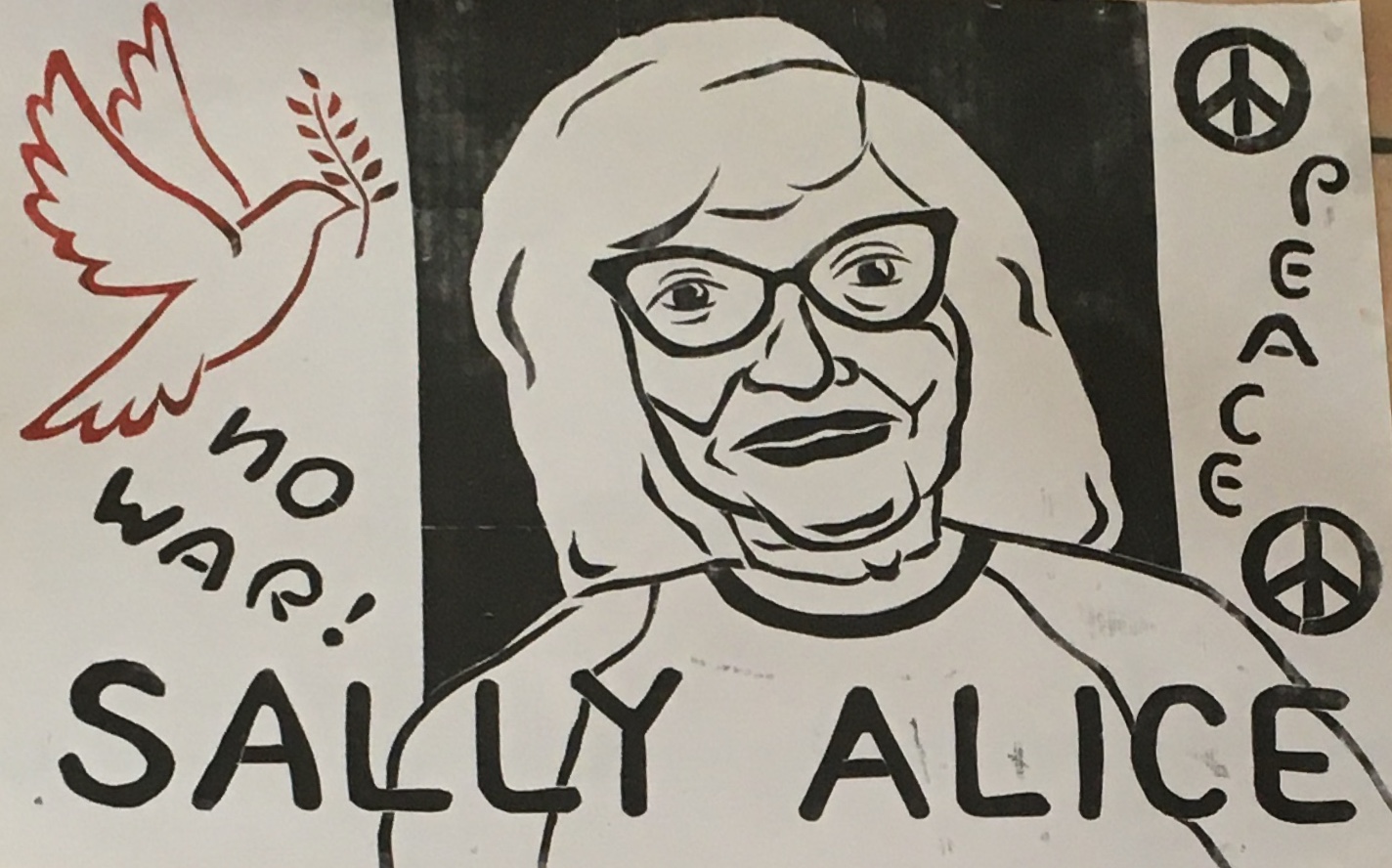
Sally Alice Thompson led a life committed to peace and justice. She was a fierce antiwar activist and started the Albuquerque chapter of Veterans for Peace. Any progressive meeting or rally in town that you went to, Sally Alice would be there (even in her 90s). She walked from Los Angeles to Washington DC in the name of global disarmament and then again from Moscow to Leningrad. Sally Alice was a pillar at the Albuquerque Center for Peace and Justice. She also welcomed many into her home and had a large adopted family. She passed on to the next life in 2024 at the age of 100.
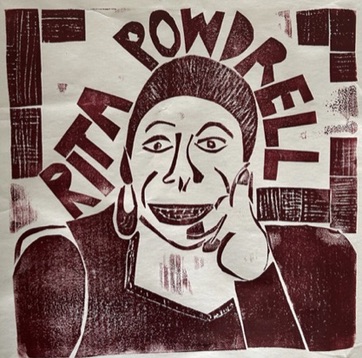
Rita Powdrell worked as a social worker in Albuquerque after receiving her BA in sociology from UNM. Later, in addition to running Powdrell’s Barbeque with family members in Albuquerque, she became an activist for African American history in New Mexico, curating the exhibit “Visible, Vital and Valuable: A Pictorial History of African Americans who Immigrated to the New Mexico Territories.” She was a founding member of the Griot Society, and the African American Museum and Cultural Center of New Mexico.
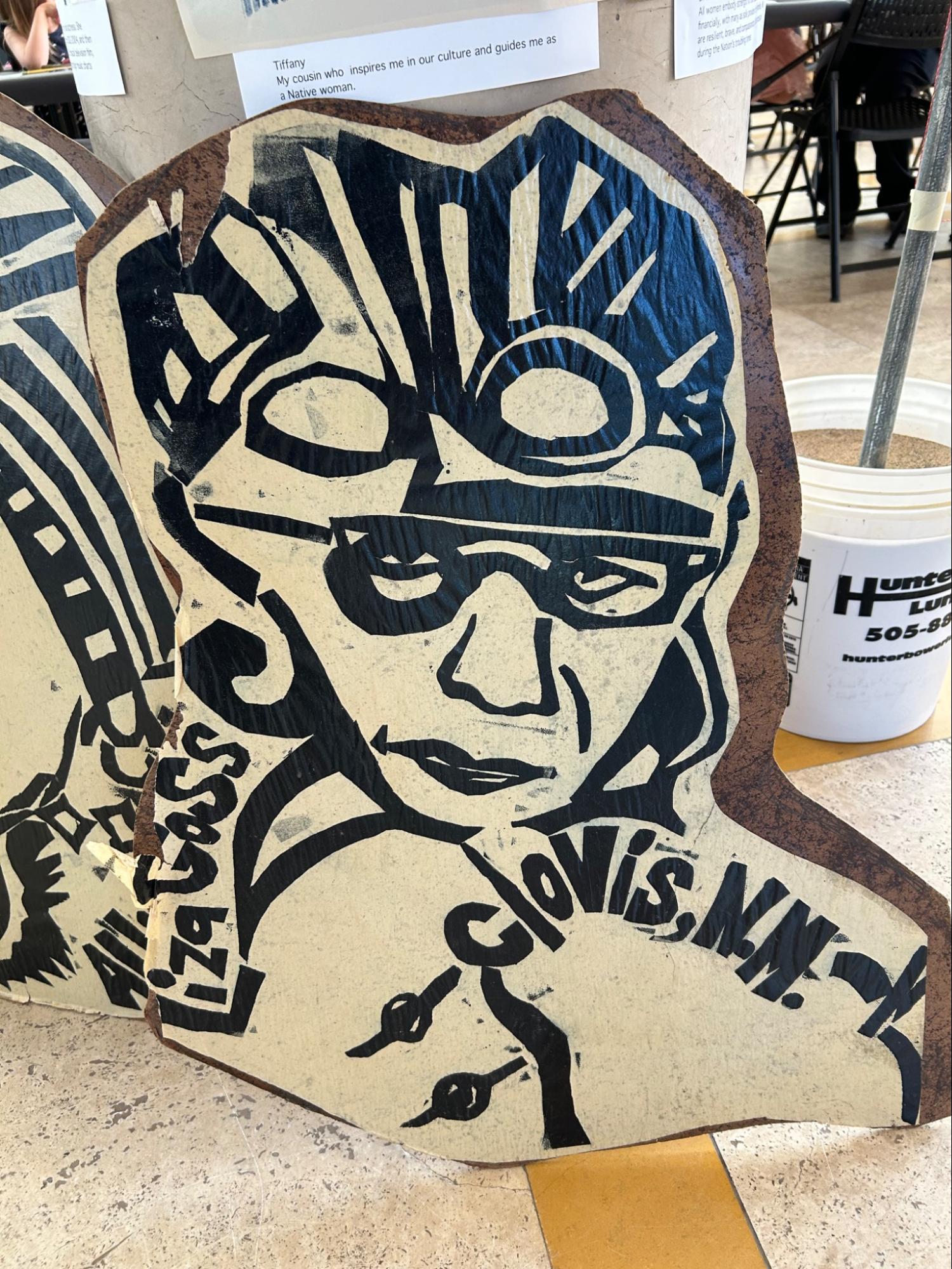
Liza Goss cleaned potash cans in the rail yard in Clovis, New Mexico in the 1950s. They underscore the relationship between the mining industry and the nearby railroad to transport toxic cargo to market.
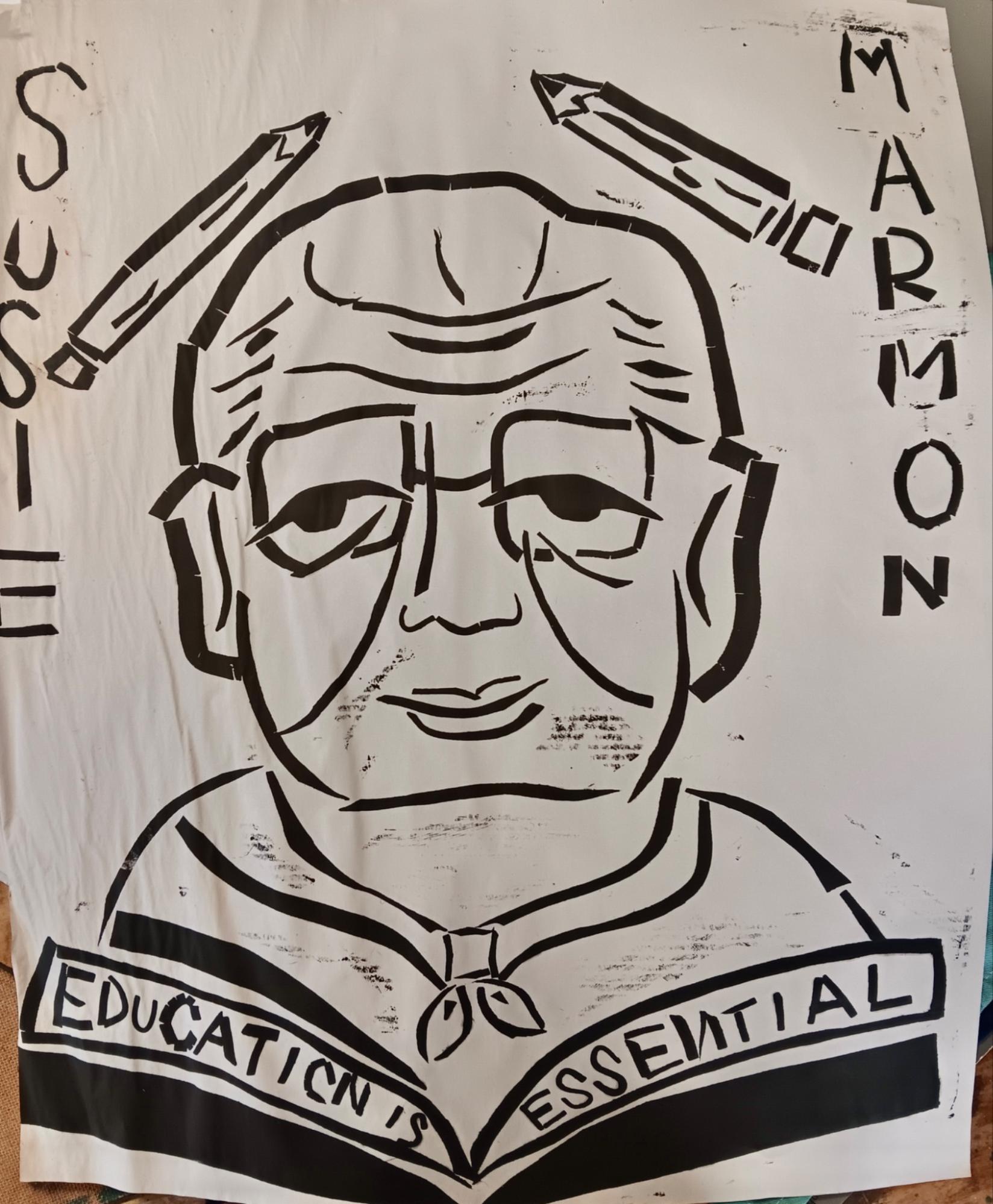
Susie Marmon, also known as Ga-wa-goo maa (“Early Riser”), was a pioneering Laguna Pueblo educator, oral historian and storyteller who dedicated over 50 years to the education of children in New Mexico.
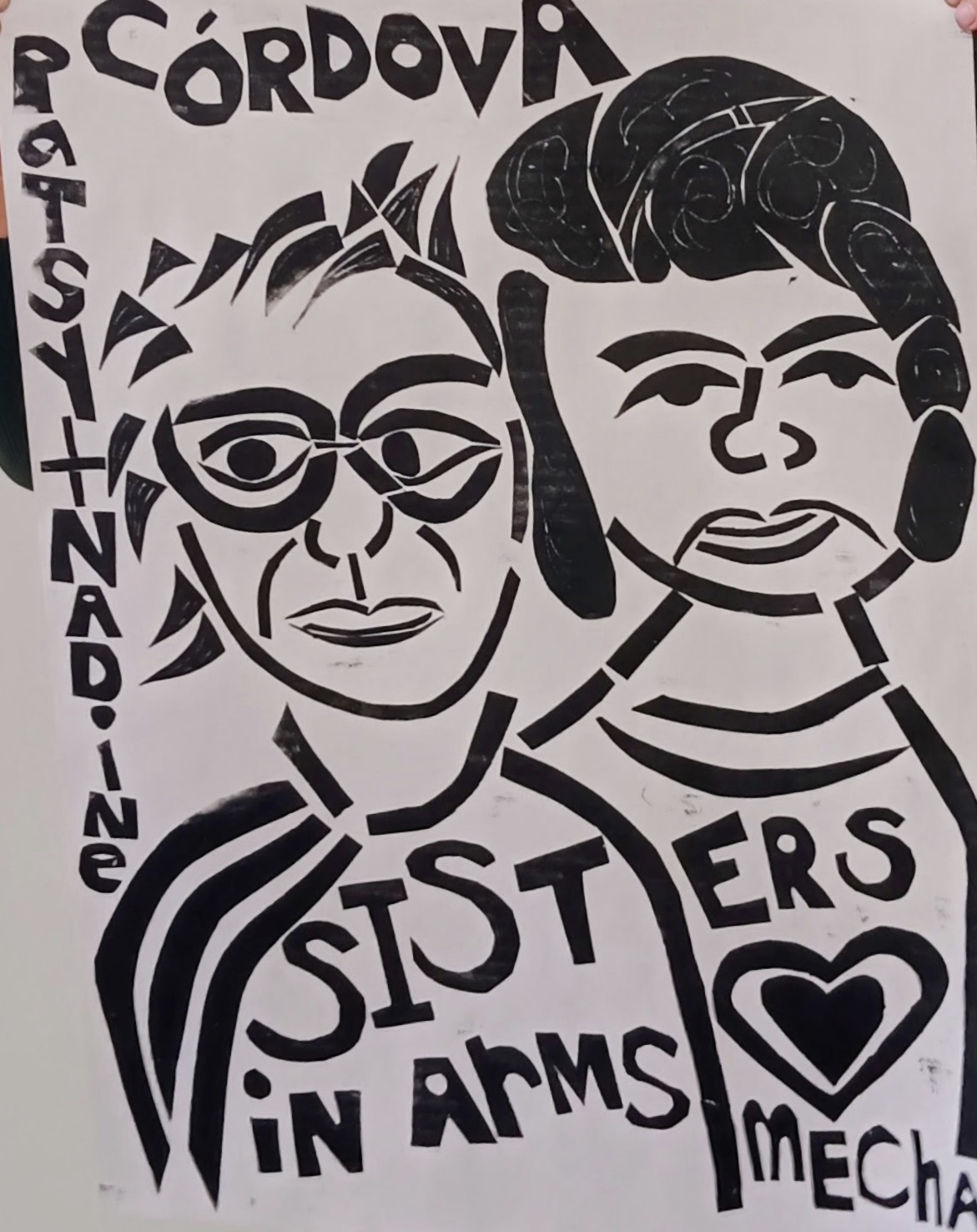
In 1997 in Vaughn, NM, Nadine and Patsy Cordova were targets of a smear campaign because they taught Chicano history, sponsored a Chicano student organization and asked students to question their corporate textbooks. They were Junior and Senior high school teachers who sued the school district and won a $520,000 out-of-court settlement for their firings.
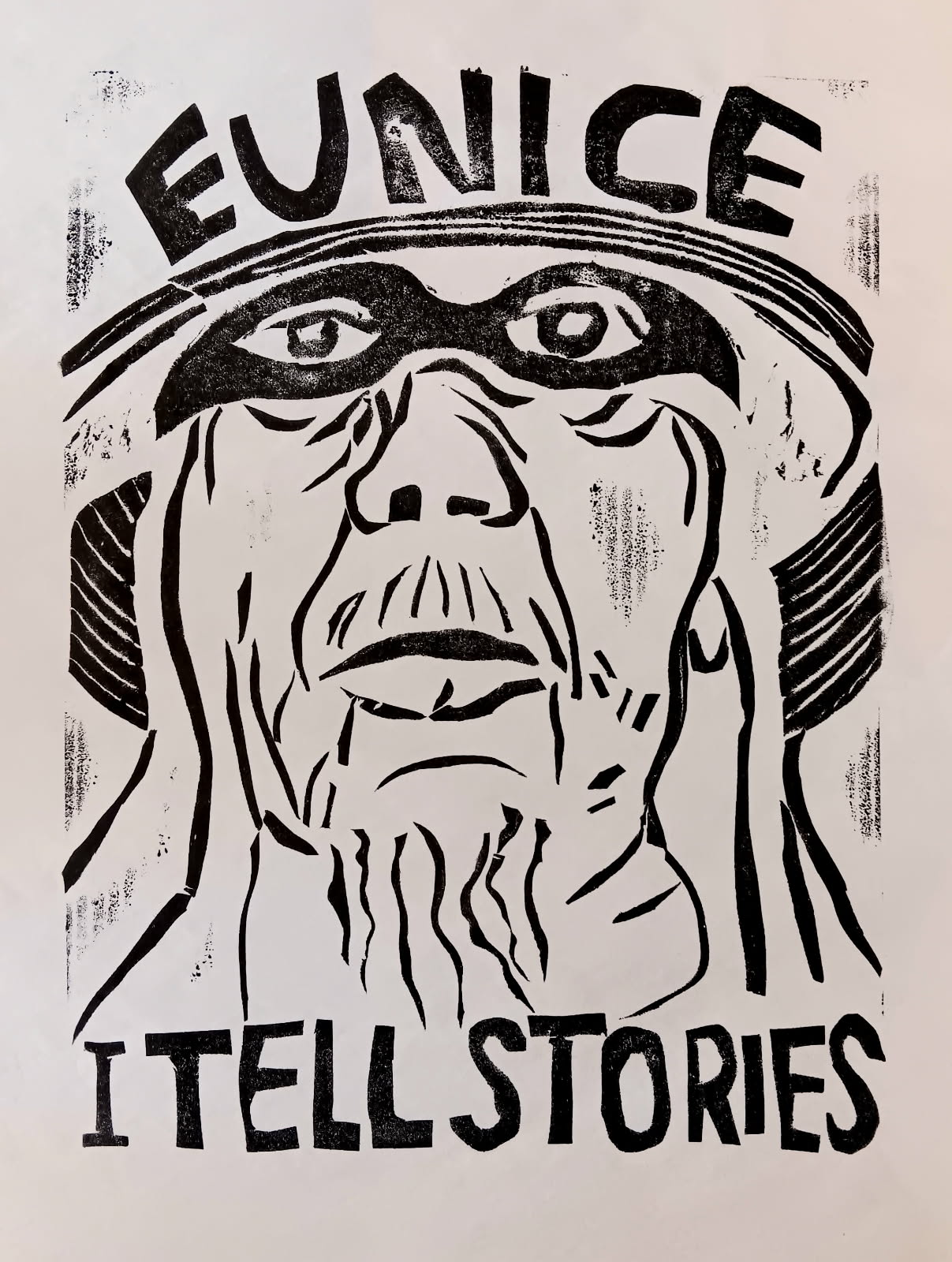
Eunice Rhubadeaux has lived in a historic rock house nestled in El Cedro, NM, of the Manzano Mountains for many decades. She is lovingly known as the Bearded Woman and is often found hitchhiking and warming barstools along Hwy 14. She listens with a kind heart and spins her stories throughout the night. Eunice has legendary status, beyond being struck by lightning seven times.